




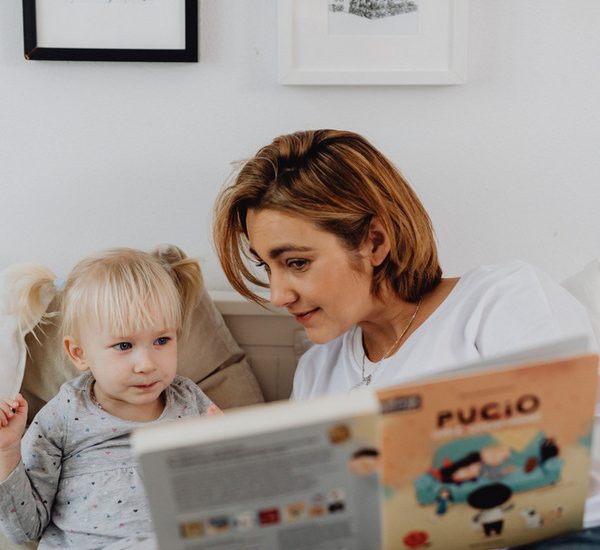
The Importance of Reading With Your Child at Home
Reading Strengthens Academic Skills
When children read regularly, they develop stronger vocabulary, comprehension, and language skills. These abilities support success in every subject—not just English. Reading helps children:
-
Build a robust vocabulary
-
Improve concentration and memory
-
Strengthen critical thinking
-
Become more confident learners
Even 15–20 minutes a day makes a significant difference. The more your child reads, the more they learn—and the more they begin to enjoy the process of discovery.
It Builds a Love for Learning
Reading is often a child’s first step into a lifelong love of learning. When families make reading a fun, comforting activity, children associate books with positivity rather than pressure. Cozy reading nooks, bedtime stories, and weekend library trips create routines that turn reading into an experience rather than a chore.
Children who enjoy reading are more motivated, more curious, and more willing to explore new topics. They begin to see books as gateways to new worlds, ideas, and possibilities.
Reading Together Strengthens Your Bond
One of the most meaningful parts of reading with your child is the time spent together. Sharing a story encourages connection, conversation, and imagination. It gives children a safe space to ask questions, explore emotions, and understand the world around them.
For younger children, the closeness of reading boosts emotional security. For older students, shared stories open the door to meaningful discussions about friendships, challenges, goals, and values.
It Boosts Confidence and Communication
Reading aloud helps children develop stronger speaking and listening skills. As they follow stories, track dialogue, and predict outcomes, they learn how to express themselves more clearly. Reading also encourages children to ask questions and share opinions—skills that build confidence in classroom discussions and social settings.
You Model the Behavior You Want to See
Children mirror what they see. When parents and caregivers read regularly—or simply show enthusiasm for books—children learn to value reading, too. Even small actions make an impact:
-
Keeping books visible
-
Reading your own materials (magazines, cookbooks, novels)
-
Asking your child about what they’re reading
These habits show your child that reading is enjoyable, important, and worth making time for.
Creating a Reading Culture at Home
You don’t need elaborate routines to foster strong literacy habits. A few simple practices can transform your home into a reading-friendly environment:
-
Designate a daily reading time
-
Visit the library together
-
Let your child choose books that interest them
-
Celebrate finishing a book
-
Read aloud—even to older kids
Consistency is key. When reading becomes part of your family rhythm, your child’s confidence and academic growth naturally flourish.
A Strong Foundation for the Future
Reading with your child is more than a task—it’s an investment. It builds the literacy skills they need for school, nurtures imagination and curiosity, and creates meaningful moments you’ll both remember. At Imagine Schools, we encourage families to embrace reading at home as a joyful part of learning and growing together.