




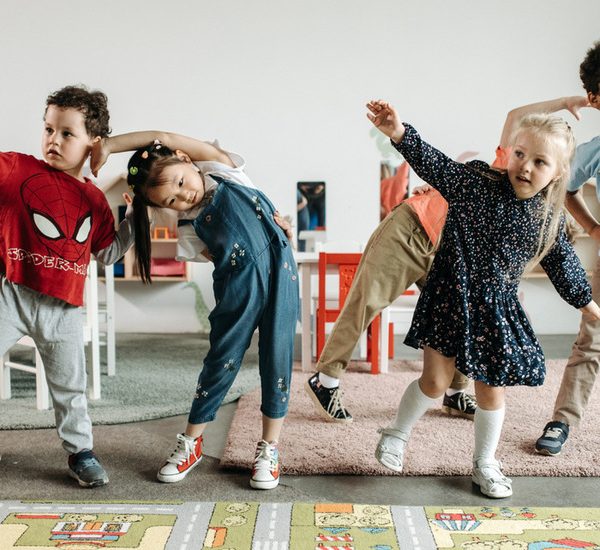
5 Must-Have School Readiness Skills to Practice Before August
As summer winds down, many families begin thinking about the upcoming school year—and how to make sure their child is ready to thrive. Whether your child is entering school for the first time or returning to the classroom, summer is the perfect opportunity to reinforce key skills that support academic, emotional, and social success.
At Imagine Schools, we focus on educating the whole child. That’s why we’ve narrowed it down to five foundational school readiness skills to practice before August—simple, impactful habits that can help your child start the school year with confidence and ease.
1. Establish a Consistent Daily Routine
A predictable routine is one of the best ways to prepare for the structure of a school day. During the summer, it’s easy to fall into a more relaxed rhythm—but in the weeks leading up to school, gradually adjusting your child’s schedule can help ease the transition.
Try this:
-
Begin waking up and going to bed at the same time each day.
-
Set consistent times for meals, play, and learning.
-
Practice a “morning routine” as if it were a school day—get dressed, brush teeth, and eat breakfast together.
Routines build security, time management, and responsibility—skills your child will use every day in the classroom.
2. Strengthen Independence and Self-Help Skills
Independence is empowering. From managing personal items to making decisions, children who can complete basic tasks on their own are better prepared for classroom life.
Encourage your child to:
-
Put on their own shoes and backpack.
-
Open their lunchbox or food containers.
-
Use the restroom independently and wash their hands properly.
-
Clean up toys or materials after using them.
These small responsibilities promote self-confidence and reduce anxiety in new settings.
3. Boost Language and Communication Skills
Strong communication helps children express themselves clearly, ask for help, and engage in positive interactions with peers and teachers.
To support language development:
-
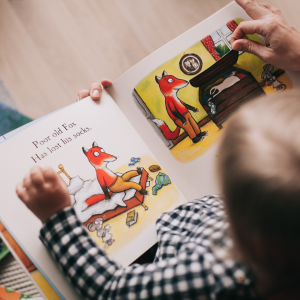
Read with your child daily and talk about the story.
-
Ask open-ended questions like “Why do you think that happened?” or “What would you do?”
-
Encourage storytelling through drawing, pretend play, or even making up songs.
Conversations build vocabulary, listening skills, and confidence—all essential for academic success and social growth.
4. Support Emotional Readiness and Self-Regulation
A child who can recognize and manage their emotions is more likely to thrive in a group setting. Emotional readiness includes handling frustration, taking turns, and understanding classroom expectations.
Help your child:
-
Name their feelings (“I feel sad,” “I’m excited”).
-
Practice calming strategies like deep breathing, counting to five, or using a quiet space.
-
Role-play common classroom scenarios (like raising a hand or waiting in line).
Talking about emotions and practicing responses builds resilience and prepares children for social challenges they may face at school.
5. Encourage Active Learning Through Play
Learning doesn’t just happen in a classroom—it happens through play. Hands-on activities help children develop problem-solving skills, fine motor coordination, and curiosity.
Incorporate learning through fun:
-
Build puzzles, sort shapes, or create patterns with blocks.
-
Play board games that involve counting, matching, or strategy.
-
Do simple science experiments or nature walks and talk about what you see.
Play-based learning keeps your child engaged while reinforcing the critical thinking skills they’ll need as learners.
Final Thoughts
Helping your child practice these five key readiness skills can make the start of the school year a joyful and successful experience. At Imagine Schools, we’re committed to helping families make the transition back to school smooth, supportive, and exciting.
Looking for more ways to prepare? Reach out to your local Imagine campus or schedule a tour—we’re here to support your family every step of the way.